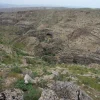
The Yerajy State Nature Reserve (also transliterated Yeradzhi) is one of Turkmenistan’s most remarkable protected corners. It is subordinate to the Repetek Biosphere State Reserve and lies about 90 kilometres to the west of it, covering the desert pastures of the Charjew district. Established on 16 November 1977 to safeguard the region’s black saxaul forests, the reserve spans 30,000 hectares, where steppe plains and shallow lakes together form a strikingly beautiful landscape.
The reserve owes its name to the brackish wells scattered across its territory. In Turkmen, “Yerajy” describes a well whose water tastes bitter; some scientific sources instead read it as “land where the groundwater is bitter.” Several such wells — Bäşimajy, Rozybaý, Dörtguduk, Halyk and Yerajy itself — still mark the area today.
Why the Yerajy State Nature Reserve was created
The Yerajy State Nature Reserve was founded to protect the magnificent black saxaul woodlands that grow around Yerajy Lake and the plains beside it. Beyond the forests, it shelters amphibious and waterbirds — both migratory and locally nesting species — along with gazelles, wild boar and other animals. Its broader purpose is to conserve, restore and breed the natural pastures these species depend on, and to study them scientifically.
Birds and wildlife of the reserve
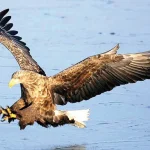
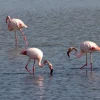
Several birds listed in the Red Book of Turkmenistan can be found here. Among them are the desert sparrow, the Dalmatian and great white pelicans, the greater flamingo, the houbara bustard, the golden eagle, the short-toed snake eagle and the steppe eagle.
The Red Book mammals include the Indian crested porcupine and the caracal. In addition, hares, sand cats, corsac and red foxes, wolves and wild boar are seen regularly across the reserve. The territory is also home to reptiles such as the desert monitor lizard, the toad-headed agama, the Central Asian cobra, the arrow snake and several other snakes and lizards. Because the landscape is oasis-like, its flora and fauna deserve careful scientific study at the national level.
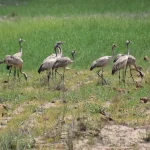
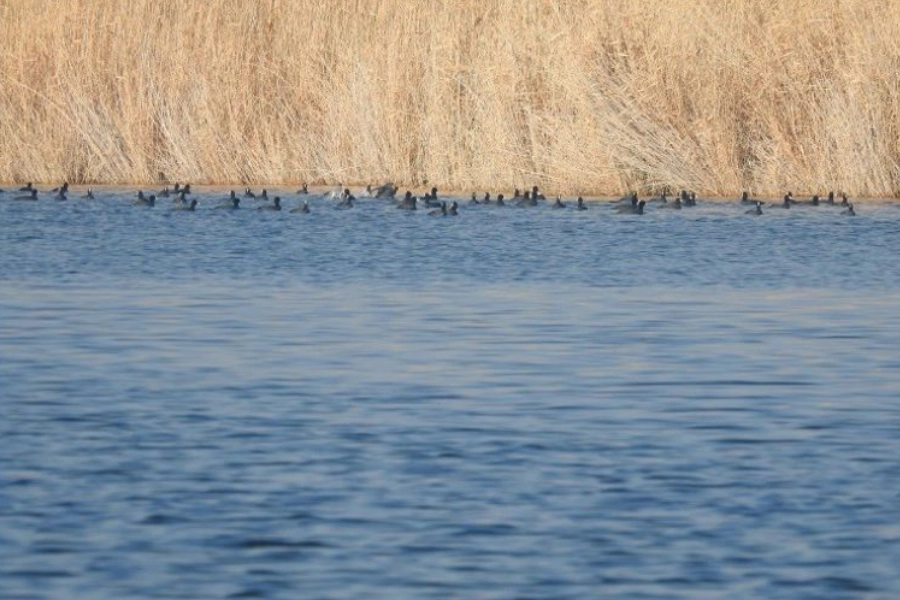
In spring, the reserve’s lakes fill with cranes, geese, pelicans, ducks and many other water and marsh birds that stop to rest and feed. Smaller grebes, ducks, coots and gulls, meanwhile, nest on the islands of the still, saltwater lakes near Yerajy Lake. During winter migration these birds arrive over Russia, Kazakhstan and Uzbekistan, and in spring they return north again. For migratory birds, therefore, the reserve serves as an essential stopover.
Black saxaul forests and desert plants
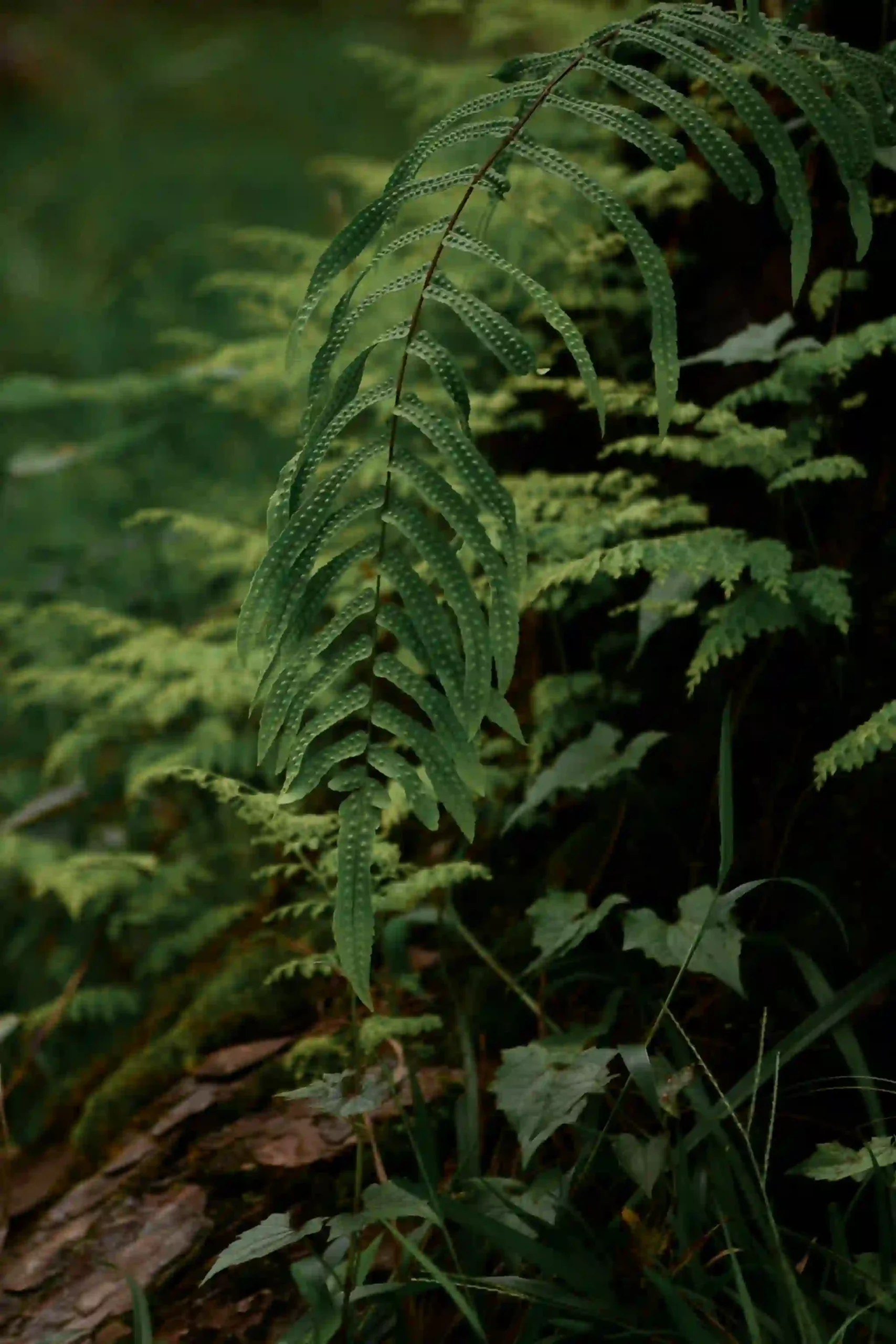
Almost every plant species typical of the Karakum Desert grows within the Yerajy State Nature Reserve. The only one listed in the Red Book of Turkmenistan is Dimo’s wormwood. Across the landscape, large sand ridges have formed valley-like depressions, and it is in these hollows that the finest black saxaul forests thrive.
Part of a UNESCO World Heritage site
On 20 September 2023, during the 45th session of the World Heritage Committee in Riyadh, the desert ecosystems of Turkmenistan were inscribed on the UNESCO World Heritage List as part of the transnational “Cold Winter Deserts of Turan,” nominated jointly with Kazakhstan and Uzbekistan. The Gaplangyr and Bereketli Garagum reserves, the Repetek Biosphere Reserve and its subordinate Yerajy State Nature Reserve were all included — recognition that once again strengthened Turkmenistan’s international standing.
Conservation and research today
The reserve is divided into two patrol sectors, each assigned to state inspectors who maintain a high standard of protection. Senior research officer Hudaýberdi Narmamedow leads the field and monitoring work, tracking changes in local plant and animal life and documenting them in photographs. In line with Turkmenistan’s National Forest Programme, staff collect the seeds of desert plants in season and sow them across treeless areas in spring and autumn.
Studying the Yerajy State Nature Reserve and sharing it with the wider world also helps develop ecological tourism in Turkmenistan, and its scenery continues to draw desert researchers from abroad — a reflection of the wider efforts to showcase the wonders of Turkmen nature internationally.
Recommended
Source: mineco gov tm