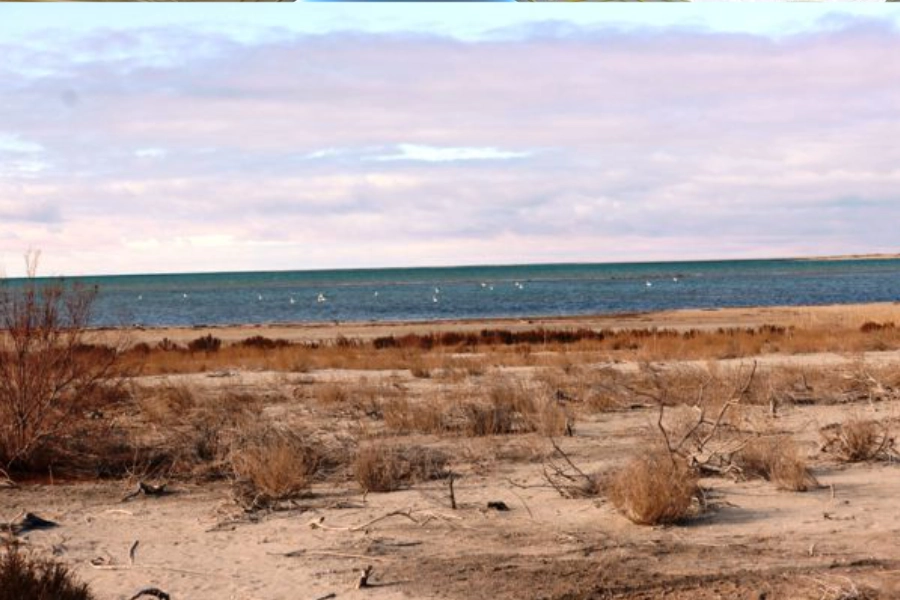
Wetland Birds of Turkmenistan: 2026 Winter Survey at Gaplangyr Nature Reserve
Turkmenistan holds some of Central Asia’s most important wetland habitats. These ecosystems support hundreds of bird species year-round. The January 2026 winter survey at Gaplangyr State Nature Reserve documents the current state of wetland birds in Turkmenistan with concrete field data.
Recommended

Turkmenistan and the Ramsar Convention
Turkmenistan joined the Ramsar Convention on Wetlands in 2008. The country now holds two designated Ramsar sites covering over 281,000 hectares. Across Central Asia, 21 Ramsar-listed wetlands exist in total, with Turkmenistan contributing two sites. Turkmenistan This membership requires annual monitoring of wetland ecosystems and their bird populations. The Ramsar Regional Initiative for Central Asia coordinates this regional work, and Turkmenistan actively participates. The country’s wetland network includes lakes, rivers, reservoirs, canals, and the Caspian Sea coast — all critical habitats for migratory and resident birds.
Gaplangyr Nature Reserve: Research Background
Gaplangyr State Nature Reserve records 218 bird species in total. Thirty-two species breed in desert habitats. Twenty-six nest near water bodies. The rest are migratory, transient, or wintering visitors. Between 2021 and 2025, the reserve ran a dedicated research programme titled “Wetland Birds of Gaplangyr State Nature Reserve and Adjacent Areas.”Scientists studied species composition, population size, migration, breeding biology, and wintering patterns. The study covered Gaplangyr itself and five surrounding water bodies: Sarygamysh, Zennibaba, Uzunshor, Atabayshor lakes, and the Dashoguz canal of the Altyn Asyr Turkmen Lake.
January 2026 Survey: Methods and Coverage
The UNDP project “Conservation and Sustainable Management of Land Resources and High-Value Ecosystems in the Aral Sea Basin” supported the January 2026 count. Field teams covered 811 km by vehicle and 36 km on foot. Observers used both standard and high-powered binoculars. Teams divided Sarygamysh Lake into four zones: Mergenashen, Mashrykajy, Gulanly, and Hallychakan. Zennibaba, Uzunshor, and Atabayshor lakes formed one combined observation unit.
Key Results: 32,416 Birds of 45 Species
The survey recorded 45 species and 32,416 individual birds. This figure exceeds the counts from both previous years. Favourable weather and food conditions in winter 2025–2026 drove this increase. Nine species are year-round residents: Kestrel, Eagle, Bubo Owl, Barn Owl, Skylark, Stonechat, Shrike, Desert Crow, and Streaked Scrub Warbler. All other recorded species were seasonal breeders or wintering visitors.
Wetland birds dominated the results. They made up 26 species — 57.7% of all species recorded. Together with White-tailed Eagle and Western Marsh Harrier, wetland-associated birds accounted for 99.1% of all individuals: 32,129 birds in total.
The three most abundant species were:
- Common Pochard — 13,735 individuals (42.7%)
- Eurasian Wigeon — 12,838 individuals (40.0%)
- Red-crested Pochard — 3,833 individuals (12.0%)
Common Pochard appeared at every single survey site. Other recorded species included Great Crested Grebe, Great and Little Cormorant, Great White Egret, Grey Heron, Whooper Swan, Greylag Goose, Coot, Gadwall, Mallard, Pintail, Teal, Tufted Duck, Scaup, Laughing Gull, and Black-headed Gull.
Sarygamysh Lake: The Most Important Site
Sarygamysh Lake serves as a crucial part of the regional ecosystem and a vital habitat for migratory and wintering birds. Central Asia Guide The 2026 survey confirmed this. Teams recorded 21,529 wetland birds there — the highest count across all sites. Zennibaba Lake ranked second with 5,384 individuals. Uzunshor, Atabayshor, and the Altyn Asyr canal recorded lower but significant numbers.
White-tailed Eagle and Red Book Species
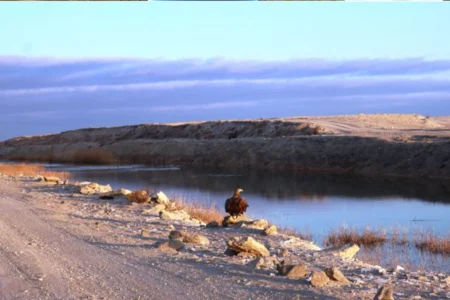
The White-tailed Eagle (Haliaeetus albicilla) appeared at multiple sites. Five individuals gathered at Sarygamysh Lake. One to three birds turned up at other locations. This raptor follows waterbird concentrations, which form its main winter food source. Its distribution therefore mirrors the wetland bird hotspots across the reserve.
The survey recorded four species from the 4th Edition of the Red Book of Turkmenistan. Three are wetland birds: Red-crested Pochard at Sarygamysh, Zennibaba, Uzunshor, and 9.4 lakes; Black Scoter at Uzunshor Lake; and Black-headed Gull also at Uzunshor. Eagle, the fourth Red Book species, appeared within the reserve itself.
Conservation Significance and Long-Term Monitoring
The 2026 data shows a clear positive trend in wetland bird populations. Systematic monitoring under the Ramsar Convention, the Convention on Biological Diversity, and programmes by UNDP and UNEP drives this work forward. Gaplangyr’s long-term observation series feeds directly into BirdLife International’s global monitoring network. This data helps shape conservation planning across Central Asia’s wetland landscapes.
Source: mineco gov tm