
Organic
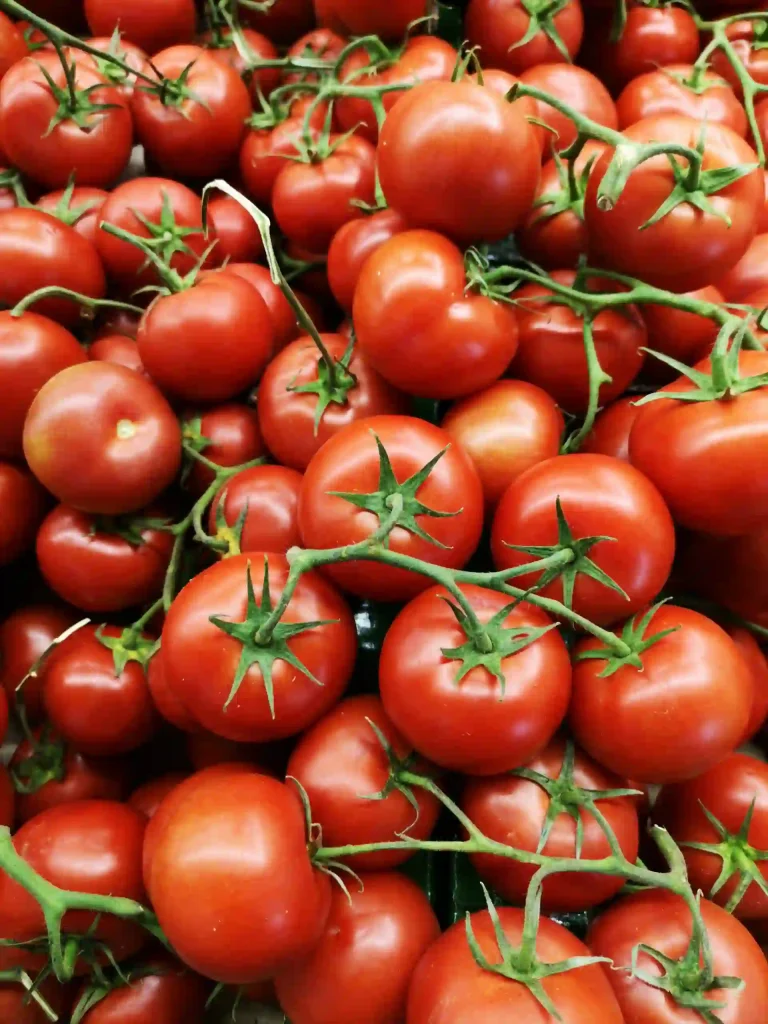
Organic Agriculture Turkmenistan: Sustainable Farming Solutions
Organic agriculture in Turkmenistan is essential for building resilient farming systems that protect soil health and ensure long-term food security. Our expertise in sustainable agriculture, soil management, and organic-oriented farming practices supports private producers, agri-projects, and donor-funded programmes throughout Turkmenistan and Central Asia. We provide practical assessments, advisory support, and technical inputs aligned with international sustainability principles and the requirements of development partners, agri-investment projects, and food security initiatives.
Our work supports informed decision-making and sustainable agricultural development across diverse conditions — from arid and semi-arid zones to irrigated farmland and greenhouse production systems.
📌 Key focus: practicality, sustainability, and locally adapted solutions for organic agriculture in Turkmenistan.
Why Organic Agriculture Matters in Turkmenistan
Organic and sustainable agricultural practices are increasingly important for soil health, food quality, and long-term land productivity in Turkmenistan and Central Asia.
In regions facing water scarcity, soil degradation, and climate stress, well-designed organic agriculture approaches help to:
- Maintain and restore soil fertility through natural methods
- Reduce dependency on chemical inputs and synthetic fertilizers
- Improve the quality and safety of agricultural products
- Support compliance with international principles and donor expectations
- Enhance climate resilience in arid and semi-arid farming zones
Our approach is practical and farmer-oriented, translating sustainability concepts into clear, applicable recommendations for private farms, greenhouses, and agricultural projects, including those aligned with GlobalG.A.P. and similar international frameworks.
Learn more about sustainable agriculture best practices from the FAO Organics Programme.
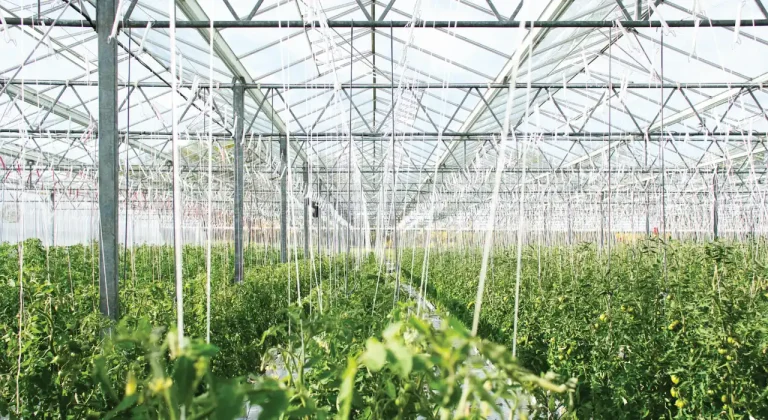
Our Organic Agriculture Services in Turkmenistan
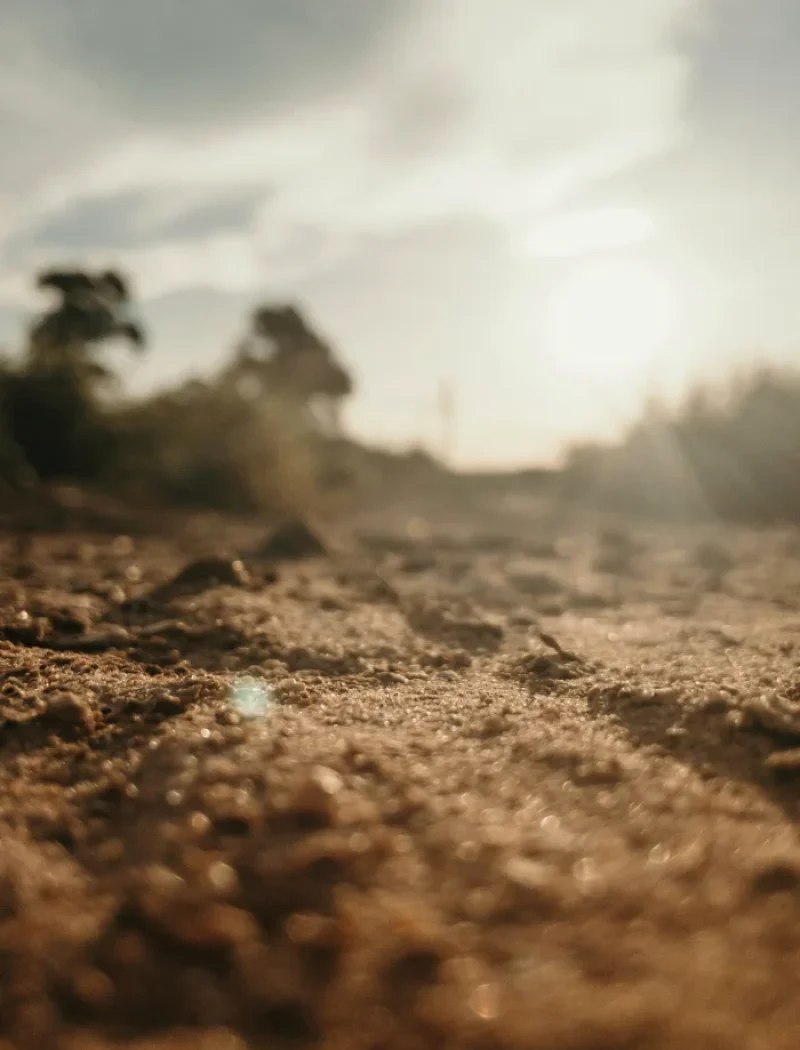
Soil and Organic Matter Assessment
Assessment of soil condition and organic matter
We conduct practical soil assessments for agricultural land in Turkmenistan and across Central Asia, essential for successful organic agriculture.
How this helps farmers:
- Clear understanding of soil condition and fertility potential
- Improved soil structure through organic matter management
- Reduced costs for fertilizers and water through efficient resource use
Scope of work:
- Evaluation of organic matter content and soil biology
- Identification of soil degradation risks in Turkmenistan’s arid conditions
- Practical recommendations for soil improvement using organic methods
Sustainable Land Use Advisory for Organic Farming
Advisory services for sustainable land use in organic agriculture
We provide advisory support on how to use agricultural land efficiently and responsibly in Turkmenistan, taking into account local climate, water availability, and regional practices.
Suitable for:
- Private farmers transitioning to organic agriculture
- Agri-businesses and sustainable farming start-ups
- Land expansion or intensification projects with environmental focus
Our advisory covers:
- Land use planning and organic crop rotation systems
- Prevention of soil erosion and degradation in arid zones
- Adaptation of sustainable and organic practices to Turkmenistan’s conditions
Organic Agriculture Support and Implementation
Expert support for organic-oriented farming projects
We support projects focused on environmentally friendly agricultural practices without excessive chemical inputs, helping Turkmenistan’s farmers adopt organic agriculture principles.
Value for producers:
- Practical guidance for day-to-day organic farm operations
- Improved quality of agricultural products for premium markets
- Better readiness for local, regional, and international organic markets
Focus areas:
- Private farms and greenhouse operations in Turkmenistan
- Organic vegetable production, including tomatoes and greens
- Gradual transition towards certified organic and eco-friendly practices
For more information on organic certification standards, visit IFOAM Organics International.
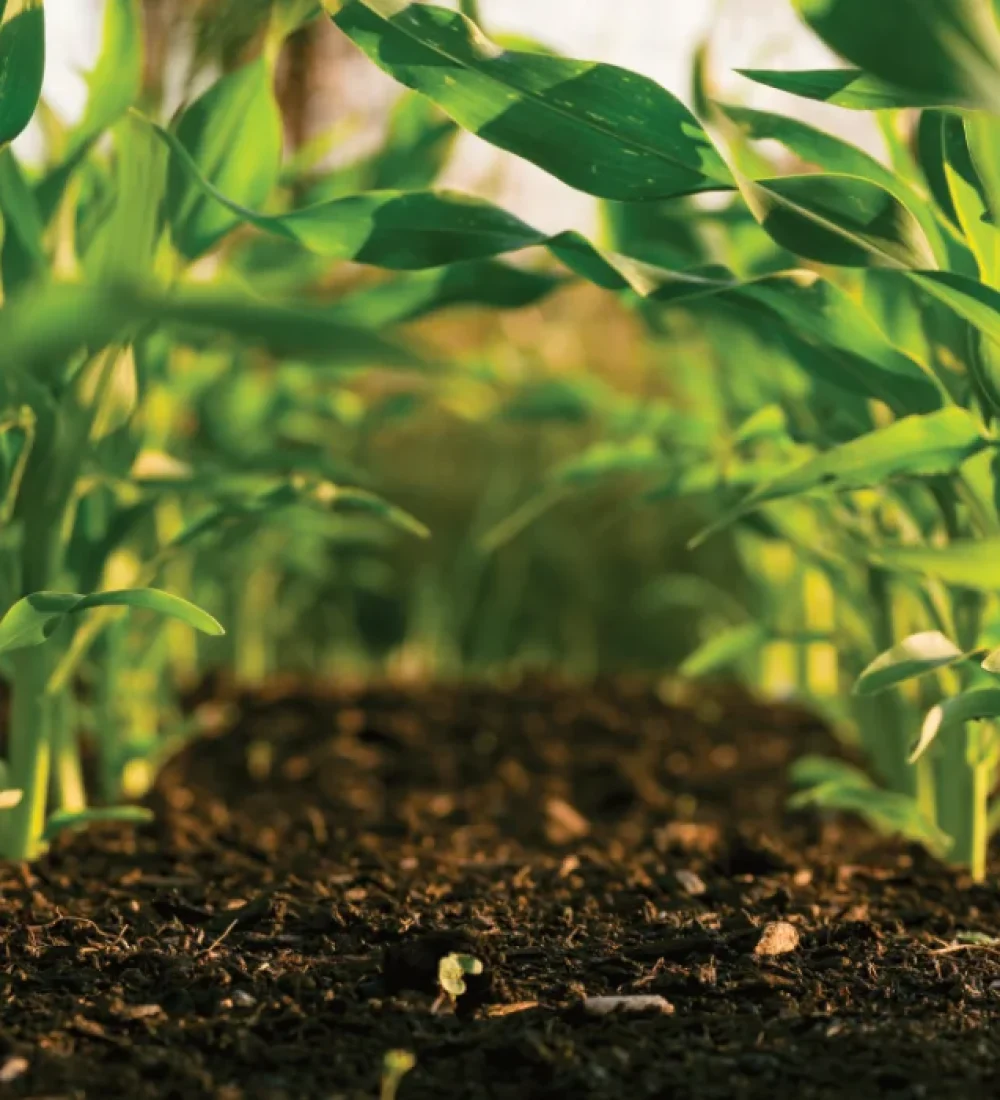

Agro-Environmental Impact Assessment
Environmental impact assessment for organic agricultural projects
We assess how agricultural activities affect soil, water, and the surrounding environment in Turkmenistan, ensuring organic agriculture projects meet international environmental standards.
This service is relevant for:
- New organic agriculture projects in Turkmenistan
- Expansion of farms or greenhouse facilities
- Donor-funded and development initiatives focusing on sustainability
Key outcomes:
- Identification of environmental risks specific to Central Asian conditions
- Mitigation measures tailored to Turkmenistan’s local environment
- Improved sustainability and project resilience for organic farming systems
Natural Resource Management Plans
Management plans for land, water, and organic resources
We develop practical natural resource management plans for organic agricultural activities in Turkmenistan and Central Asia.
Plans typically include:
- Sustainable use of soil and water resources in arid zones
- Measures to maintain long-term soil fertility through organic methods
- Guidance on environmentally responsible organic farming
Applicable to:
- Individual farmers practicing organic agriculture
- Agri-cooperatives focusing on sustainable production
- Projects involving international partners and development organizations
Environmental Inputs for Food Security Projects
Environmental expertise for food security initiatives
We provide environmental inputs and technical expertise for food security and organic agricultural development projects in Turkmenistan.
Applications include:
- Programmes supported by international organisations like UNDP and World Bank
- National and regional food security initiatives
- Community-based sustainable agricultural projects
Our contribution:
- Environmental assessment of proposed organic farming activities
- Recommendations for sustainable agricultural practices in Turkmenistan
- Alignment with international development and environmental principles
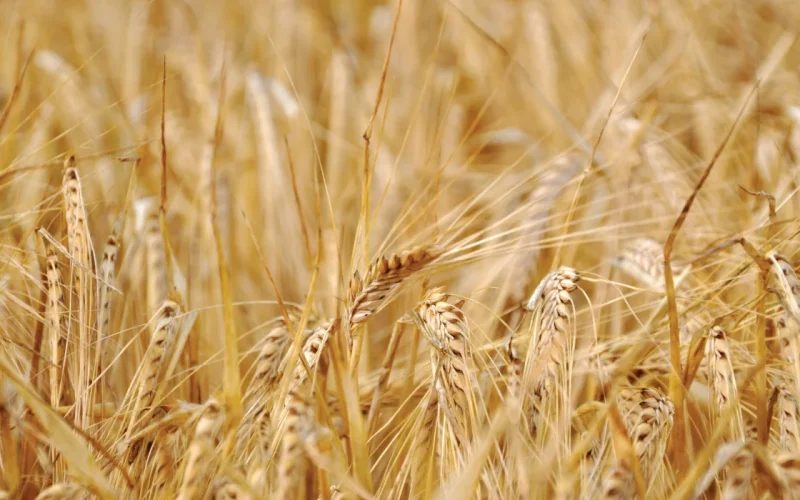
Organic Agriculture Turkmenistan: A Practical Approach
Organic agriculture in Turkmenistan represents a practical and transparent approach to sustainable farming that addresses the unique challenges of Central Asia’s arid climate.
We work with real farming conditions in the region, supporting private producers and development projects in producing high-quality food while preserving natural resources for future generations.
Our commitment to organic agriculture in Turkmenistan:
- Evidence-based soil and environmental assessments
- Practical solutions adapted to local conditions
- Support for transition to certified organic farming
- Alignment with international sustainability standards
Healthy soil, healthy food, healthy future
Get Started with Organic Agriculture in Turkmenistan
Healthy soil, healthy food, healthy future — this reflects the essence of sustainable organic agriculture in Turkmenistan and Central Asia.
Whether you’re a private farmer looking to transition to organic methods, an agri-business planning sustainable expansion, or a development project requiring environmental expertise, our organic agriculture services provide the practical support you need.
Contact us to discuss how organic agriculture practices can benefit your farming operations in Turkmenistan.