
Ecosystem

Environmental Impact Assessment Turkmenistan: Ecosystem Services & ESIA Consulting
Environmental impact assessment in Turkmenistan is critical for sustainable development and international project compliance. Our ecosystem services focus on assessing, managing, and mitigating the environmental and climate impacts of projects through comprehensive environmental impact assessment (EIA) and environmental and social impact assessment (ESIA) processes. We ensure long-term ecosystem sustainability, regulatory compliance, and climate resilience for projects in Turkmenistan and Central Asia.
Our environmental impact assessment work supports international organizations, development agencies, and large-scale infrastructure and environmental projects, particularly in ecologically sensitive and climate-vulnerable regions of Turkmenistan.
We help projects move beyond compliance — towards measurable environmental performance, reduced ecological risks, and positive ecosystem outcomes.
Our Approach to Environmental Impact Assessment in Turkmenistan
We apply internationally recognized environmental standards and donor requirements for environmental impact assessment, including IFC Performance Standards, World Bank Environmental and Social Framework (ESF), UN and EU environmental safeguards, adapting them to Turkmenistan’s national regulatory frameworks and local ecological conditions.
Our ecosystem and environmental impact assessment services are designed to:
- Identify and manage environmental and climate risks early in project development
- Support informed decision-making during project planning and implementation in Turkmenistan
- Ensure compliance with donor and regulatory requirements for environmental impact assessment
- Strengthen ecosystem resilience and restoration outcomes in Central Asia
- Provide technically sound, audit-ready documentation for international funding
Learn more about environmental assessment best practices from UNEP (United Nations Environment Programme) and the International Association for Impact Assessment (IAIA).

Our Environmental Impact Assessment and Ecosystem Services in Turkmenistan

EIA / ESIA Support
Environmental Impact Assessment and Environmental & Social Impact Assessment Support
We provide full-cycle technical support for EIA and ESIA processes in Turkmenistan, from baseline data collection to impact analysis and mitigation planning.
Scope of environmental impact assessment services includes:
- Review and support of EIA / ESIA documentation for Turkmenistan projects
- Environmental baseline assessments in diverse ecosystems
- Identification and evaluation of project-related environmental impacts
- Development of mitigation and monitoring measures
- Alignment with Turkmenistan’s national legislation and international donor requirements
- Compliance with IFC, World Bank, ADB, and EBRD standards
Value for projects:
- Comprehensive environmental impact assessment documentation
- Risk-based approach to environmental management
- Donor-ready ESIA reports for international financing
Ecosystem Impact and Risk Assessment
Assessment of Ecosystem Impacts and Environmental Risks
We conduct targeted environmental impact assessments to identify direct, indirect, and cumulative impacts on ecosystems, biodiversity, and ecosystem services in Turkmenistan and Central Asia.
Key focus areas for ecosystem assessment:
- Ecosystem sensitivity and vulnerability analysis in arid and semi-arid zones
- Environmental risk assessment related to land use change, resource extraction, and infrastructure development
- Identification of high-risk ecological components in Turkmenistan’s unique ecosystems
- Prioritization of mitigation and avoidance measures
- Cumulative impact assessment for multiple projects
Applications:
- Infrastructure projects in sensitive ecological zones
- Mining and energy sector environmental assessments
- Agricultural development environmental impact studies
- Urban expansion and industrial zone planning
Environmental Management Plans (EMP / ESMP)
Development of Environmental and Social Management Plans
We prepare practical, implementable EMPs and ESMPs that translate environmental impact assessment findings into clear operational actions for projects in Turkmenistan.
Environmental management plans typically include:
- Environmental mitigation measures specific to Turkmenistan conditions
- Monitoring indicators and reporting frameworks aligned with donor requirements
- Roles, responsibilities, and implementation schedules
- Emergency response and corrective action procedures for environmental incidents
- Capacity-building and training recommendations for local teams
Aligned with:
- World Bank ESF requirements
- IFC Performance Standard 1 on environmental and social assessment
- National environmental legislation of Turkmenistan
- ISO 14001 environmental management system principles


Ecosystem Restoration and Resilience Planning
Consulting on Ecosystem Restoration and Climate Resilience
We support environmental impact assessment projects that aim to restore degraded ecosystems and enhance long-term ecological resilience in Turkmenistan and Central Asia.
Our ecosystem restoration work includes:
- Ecosystem restoration strategy development for degraded lands
- Nature-based solutions (NbS) planning aligned with IUCN guidelines
- Climate resilience and adaptation measures for Turkmenistan’s arid climate
- Integration of restoration actions into project design and environmental impact assessment
- Monitoring frameworks for restoration effectiveness
Focus areas:
- Post-mining land reclamation and restoration
- Degraded rangeland rehabilitation
- Riparian zone restoration
- Afforestation and reforestation initiatives
- Soil erosion control and land stabilization
Climate and Environmental Risk Analysis
Climate Change and Environmental Risk Assessment
We assess how climate change and environmental stressors may affect project sustainability and performance in Turkmenistan through specialized environmental impact assessment methodologies.
Climate risk analysis includes:
- Climate vulnerability and exposure assessment for Turkmenistan’s arid conditions
- Identification of climate-related environmental risks (water scarcity, extreme temperatures, desertification)
- Scenario-based risk analysis using climate projections for Central Asia
- Recommendations for climate adaptation and risk mitigation
- Integration of climate risks into environmental management frameworks
Reference frameworks:
- IPCC Climate Change Assessment Reports
- UNFCCC National Adaptation Plans
- Climate risk screening tools from development banks
Environmental Compliance for Donor-Funded Projects
Environmental Safeguards and Donor Compliance Support
We provide specialized support to ensure full compliance with environmental impact assessment requirements of international donors and financial institutions operating in Turkmenistan.
Services include:
- Alignment with donor environmental safeguard policies:
- World Bank Environmental and Social Standards
- ADB Safeguard Policy Statement
- EBRD Performance Requirements
- European Investment Bank Standards
- UN agencies environmental guidelines
- Review of compliance gaps and corrective actions for environmental impact assessment
- Environmental reporting and documentation for Turkmenistan projects
- Support during audits, reviews, and evaluations
- Ongoing advisory during project implementation
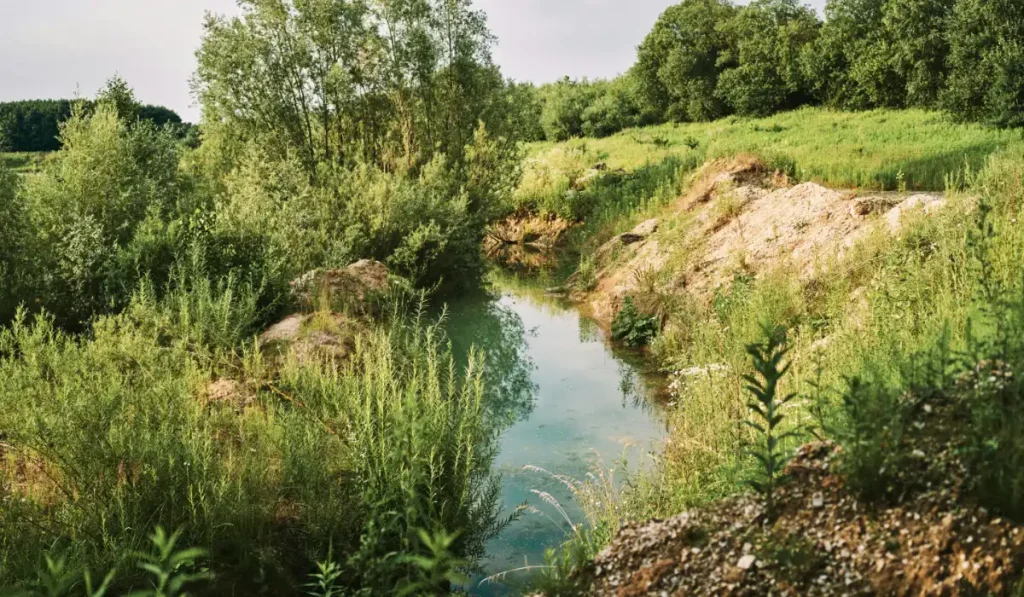
Professional environmental impact assessment in Turkmenistan requires combining international best practices with practical understanding of Central Asia’s unique ecological conditions.
Our approach to environmental impact assessment:
- Science-based: Evidence-driven environmental baseline studies and impact analysis
- Compliant: Full alignment with international environmental safeguards
- Practical: Solutions adapted to Turkmenistan’s implementation context
- Comprehensive: Covering environmental, social, and climate dimensions
- Quality-assured: Technical review and stakeholder engagement processes
We work with real project conditions in Turkmenistan, supporting development initiatives in achieving environmental excellence while meeting donor requirements.
Healthy ecosystems underpin economic prosperity, human well-being and climate resilience
Why Environmental Impact Assessment Matters in Turkmenistan
The Ecosystem pillar connects environmental responsibility with project performance, funding eligibility, and long-term sustainability in Turkmenistan and Central Asia.
Environmental impact assessment in Turkmenistan ensures:
- Regulatory Compliance: Meeting Turkmenistan’s national environmental legislation and international standards
- Risk Management: Early identification of environmental and climate risks
- Donor Eligibility: Fulfilling environmental safeguard requirements for international financing
- Sustainable Development: Balancing economic growth with ecosystem protection
- Climate Resilience: Addressing climate vulnerabilities in project design
- Stakeholder Confidence: Demonstrating environmental responsibility to communities and partners
Our environmental impact assessment services are designed as a core technical component for proposals, tenders, and donor-funded initiatives where environmental integrity, climate resilience, and ecosystem protection are essential in Turkmenistan.
Get Started with Environmental Impact Assessment Services
Whether you’re planning infrastructure development, implementing a donor-funded program, or conducting environmental compliance work in Turkmenistan, our environmental impact assessment and ecosystem services provide the expertise you need.
Contact us to discuss:
- Environmental Impact Assessment (EIA) and ESIA for your Turkmenistan project
- Ecosystem impact and risk assessments in Central Asia
- Environmental Management Plan (EMP/ESMP) development
- Climate resilience and ecosystem restoration planning
- Donor environmental safeguard compliance support
Professional environmental impact assessment in Turkmenistan and Central Asia — supporting sustainable development through ecosystem expertise and regulatory excellence.