
Recycling
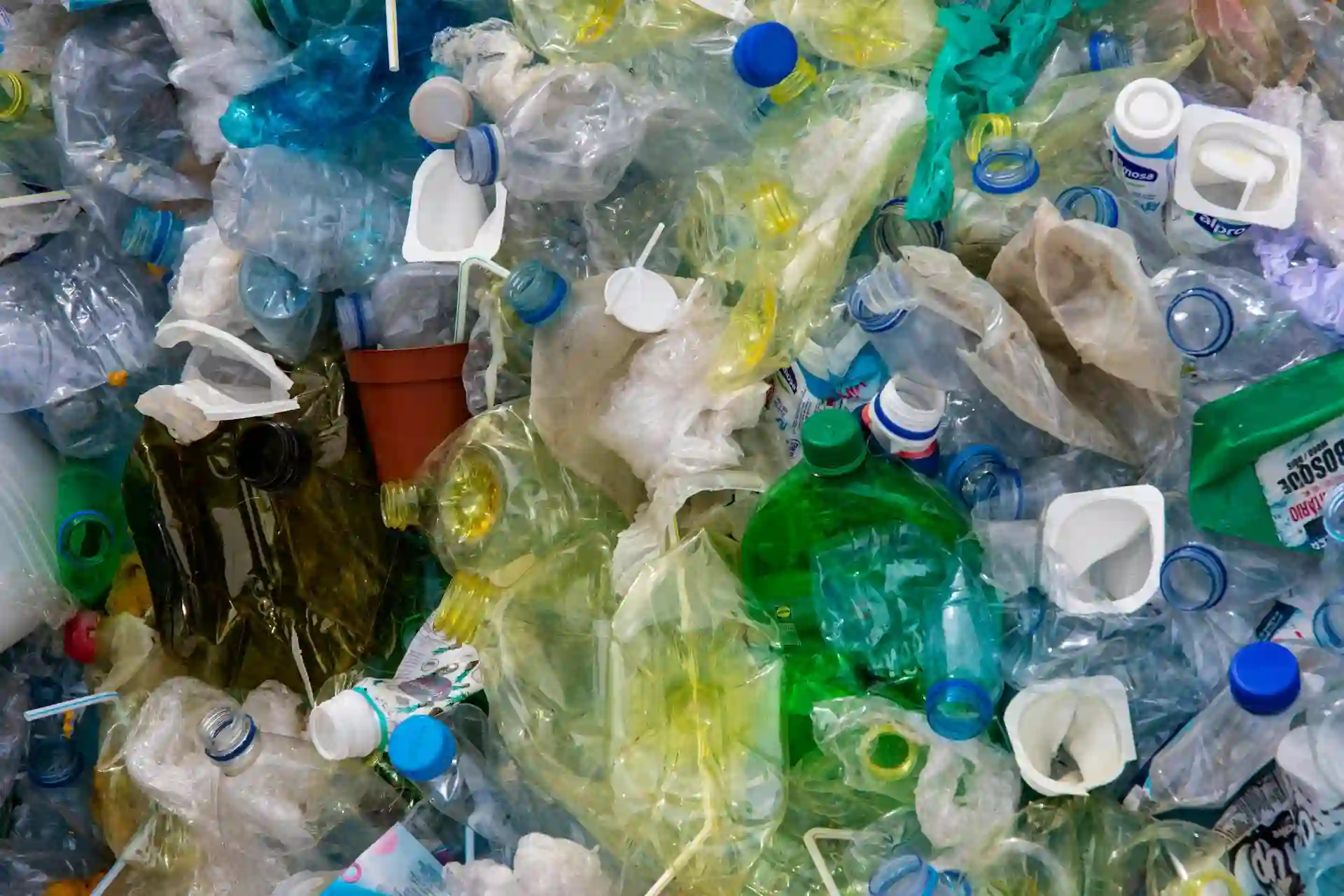
Waste Management Turkmenistan: Recycling & Circular Economy Solutions
Waste management in Turkmenistan is a growing priority, driven by urban development, industrial growth, and increasing attention to environmental sustainability. Effective waste management and recycling are essential for sustainable development across Central Asia. Our recycling services and circular economy approaches provide practical tools to reduce environmental pressure, optimise resource use, and support ESG and donor-funded initiatives in Turkmenistan.
Our waste management services are designed for real-world application — supporting businesses, municipalities, and projects across Turkmenistan with data-driven analysis and implementable solutions aligned with national regulations and international standards.
📌 Key focus: practical waste management solutions, recycling systems, and circular economy strategies for Turkmenistan and Central Asia.
Why Waste Management and Recycling Matter in Turkmenistan
Professional waste management in Turkmenistan addresses critical environmental and economic challenges while supporting sustainable development goals.
Effective waste management in Turkmenistan provides:
- Environmental Protection: Reducing pollution and ecosystem damage from improper waste disposal
- Resource Efficiency: Maximizing value from materials through recycling and circular economy practices
- Regulatory Compliance: Meeting Turkmenistan’s environmental legislation and international standards
- ESG Performance: Supporting environmental, social, and governance objectives for businesses
- Economic Opportunities: Creating value from waste streams through recycling and recovery
- Climate Action: Reducing greenhouse gas emissions from waste management operations
Our approach to waste management combines international best practices with practical understanding of Turkmenistan’s infrastructure, regulations, and market conditions.
Learn more about circular economy and waste management from the Ellen MacArthur Foundation, UNEP International Environmental Technology Centre, and World Bank Urban Development.
Our Waste Management and Recycling Services in Turkmenistan
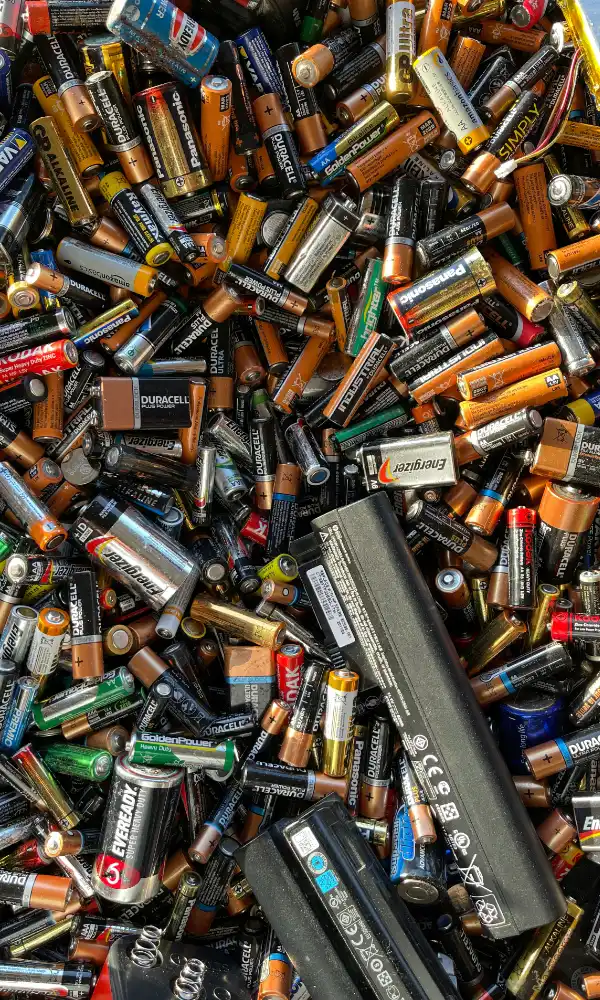
Waste Management Assessment
Assessment of Existing Waste Management Systems
We assess current waste management systems at municipal, industrial, and project levels in Turkmenistan, with a focus on operational efficiency, environmental compliance, and improvement potential.
The waste management assessment covers waste generation, collection, sorting, transportation, and disposal practices, providing a clear baseline for planning and reporting.
Key outcomes of waste management assessment:
- Mapping of waste generation and handling practices in Turkmenistan
- Identification of operational and regulatory gaps in waste management systems
- Baseline data for ESG and sustainability initiatives
- Practical recommendations tailored to local conditions and regulations
- Input for donor-funded environmental projects
Suitable for:
- Municipal waste management authorities
- Industrial facilities requiring waste audits
- Development projects needing environmental baselines
- Companies implementing ESG strategies
Recycling and Circular Economy Advisory
Circular Economy and Recycling Advisory Services
We support the integration of recycling and circular economy principles into local and project-level systems in Turkmenistan, considering existing infrastructure, market capacity, and institutional frameworks.
Our waste management advisory services focus on realistic, phased solutions that can be implemented within Turkmenistan’s current technical and regulatory environment.
Support areas for waste management and recycling include:
- Circular economy strategies and roadmaps for Turkmenistan businesses
- Recycling system design and optimisation aligned with local conditions
- Alignment with national policies and development programmes
- Support for international and donor-funded waste management projects
- Integration with Sustainable Development Goals (SDGs), particularly SDG 12 (Responsible Consumption and Production)
Reference frameworks:
- EU Circular Economy Action Plan
- OECD Resource Efficiency
- National waste management strategies
Waste Reduction and Resource Efficiency Plans
Development of Waste Reduction Strategies
We design targeted plans to minimise waste generation and improve resource efficiency at organisational, municipal, or project level in Turkmenistan.
The focus of our waste management planning is on prevention, optimisation, and measurable outcomes.
Waste reduction plans may include:
- Waste minimisation measures for Turkmenistan industries
- Material efficiency improvements and resource optimization
- Reuse and recovery pathways for different waste streams
- Performance indicators and monitoring frameworks for waste management
- Cost-benefit analysis of waste reduction initiatives
Applications:
- Manufacturing and industrial facilities
- Commercial establishments and retail operations
- Municipal waste management planning
- Construction and demolition waste management
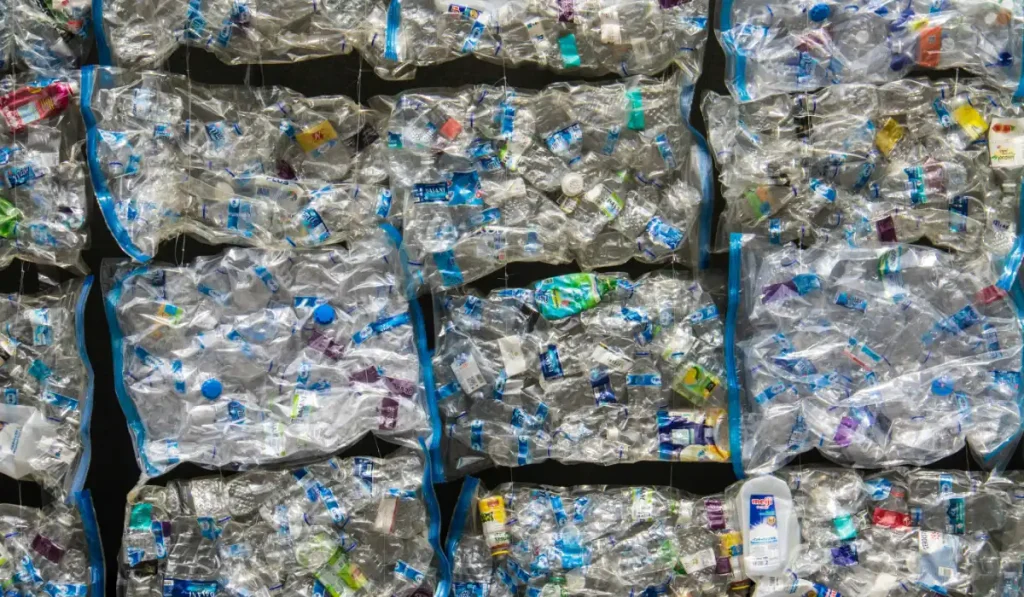

Waste Reduction and Resource Efficiency PlansWaste Reduction and Resource Efficiency Plans
Development of Waste Reduction Strategies
We design targeted plans to minimise waste generation and improve resource efficiency at organisational, municipal, or project level in Turkmenistan.
The focus of our waste management planning is on prevention, optimisation, and measurable outcomes.
Waste reduction plans may include:
- Waste minimisation measures for Turkmenistan industries
- Material efficiency improvements and resource optimization
- Reuse and recovery pathways for different waste streams
- Performance indicators and monitoring frameworks for waste management
- Cost-benefit analysis of waste reduction initiatives
Applications:
- Manufacturing and industrial facilities
- Commercial establishments and retail operations
- Municipal waste management planning
- Construction and demolition waste management
Feasibility Studies for Recycling Projects
Technical and Economic Feasibility Analysis
We conduct feasibility studies for recycling and waste processing projects in Turkmenistan, supporting informed investment and planning decisions in waste management.
Our studies combine technical, environmental, and economic analysis, suitable for investors, donors, and public authorities in Turkmenistan.
Typical scope of waste management feasibility studies:
- Technology and process assessment for recycling facilities
- Market and feedstock analysis for Turkmenistan waste streams
- CAPEX/OPEX estimates for waste management infrastructure
- Environmental and regulatory considerations specific to Turkmenistan
- Financial modeling and investment analysis
- Risk assessment and mitigation strategies
Project types:
- Recycling facilities (plastics, metals, paper, glass)
- Composting and organic waste processing
- Waste-to-energy projects
- Material recovery facilities (MRF)
Organic and Non-Organic Waste Streams Analysis Analysis of Waste Streams by Type
We analyse waste streams by composition, volume, and origin in Turkmenistan — separating organic and non-organic fractions to identify optimal treatment and recycling options for effective waste management.
Applications of waste stream analysis include:
- Municipal solid waste systems in Turkmenistan cities
- Agricultural and food-related waste management
- Commercial and industrial waste streams characterization
- Input data for composting, recycling, or energy recovery projects
- Waste diversion and recycling rate calculations
Methodology:
- Physical waste composition analysis
- Waste generation rate studies
- Seasonal variation assessment
- Contamination and quality analysis
- Benchmarking against international standards
Outcomes:
- Detailed waste characterization reports
- Recommendations for optimal waste management pathways
- Data for recycling system design
- Input for environmental impact assessments
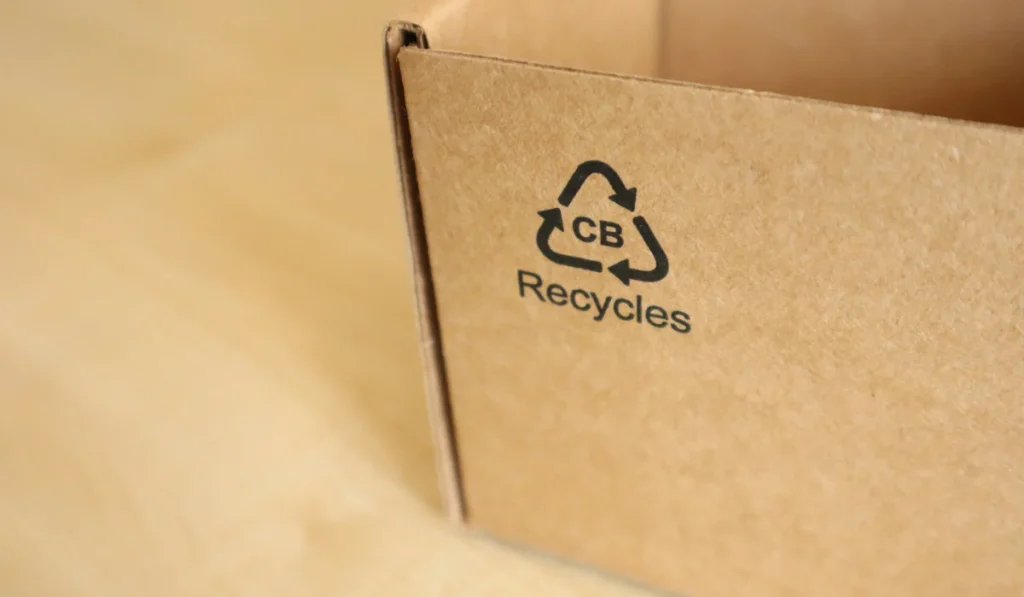
Our waste management services align with international frameworks while addressing Turkmenistan’s specific conditions:
International frameworks:
- Basel Convention on hazardous waste management
- ISO 14001 Environmental Management Systems
- World Bank environmental safeguards for waste management
- Global Waste Management Outlook by UNEP
Turkmenistan context:
- National environmental legislation and waste regulations
- Municipal waste management infrastructure capacity
- Industrial waste generation patterns
- Market conditions for recyclable materials
- Regional cooperation opportunities in Central Asia
Key waste streams in Turkmenistan:
- Municipal solid waste from urban areas
- Industrial waste from manufacturing and processing
- Agricultural and organic waste
- Construction and demolition waste
- Special waste streams (batteries, electronics, medical waste)
In nature there is no waste; everything is recycled
Circular Economy Approach to Waste Management in Turkmenistan
Transitioning to a circular economy in Turkmenistan requires more than infrastructure — it requires systems, data, and informed decisions.
Our circular economy and waste management approach:
- Assessment First: Understanding current waste management conditions in Turkmenistan
- Data-Driven Planning: Using evidence to design recycling and waste management systems
- Practical Solutions: Recommendations adapted to Turkmenistan’s context
- Stakeholder Engagement: Working with municipalities, businesses, and communities
- Phased Implementation: Realistic timelines for waste management improvements
- Monitoring & Optimization: Continuous improvement of recycling systems
We help organisations and municipalities in Turkmenistan turn waste challenges into resource opportunities through applied analysis, strategic planning, and practical implementation support.
Get Started with Waste Management Services in Turkmenistan
From waste assessment to recycling project feasibility, our services are designed to create lasting value for waste management in Turkmenistan and Central Asia.
Contact us to discuss:
- Waste management system assessments for your municipality or facility
- Recycling and circular economy advisory for Turkmenistan projects
- Waste reduction and resource efficiency planning
- Feasibility studies for recycling infrastructure
- Waste stream analysis and characterization
Professional waste management and recycling services in Turkmenistan — supporting sustainable development through circular economy expertise and practical solutions.
ESG and Donor Support for Waste Management Projects
Our waste management and recycling services support ESG reporting and donor-funded initiatives in Turkmenistan:
ESG reporting support:
- Waste generation and diversion metrics
- Recycling rate calculations
- Environmental impact indicators
- Resource efficiency performance
- Alignment with GRI Standards (Global Reporting Initiative)
Donor project support:
- Environmental baseline assessments for waste management
- Compliance with donor environmental safeguards
- Monitoring and reporting frameworks
- Capacity building for local institutions
- Technology transfer and knowledge sharing
Relevant donor organizations:
- World Bank urban development and waste management programs
- Asian Development Bank municipal infrastructure projects
- EU technical assistance for circular economy
- UN-Habitat sustainable cities initiatives